
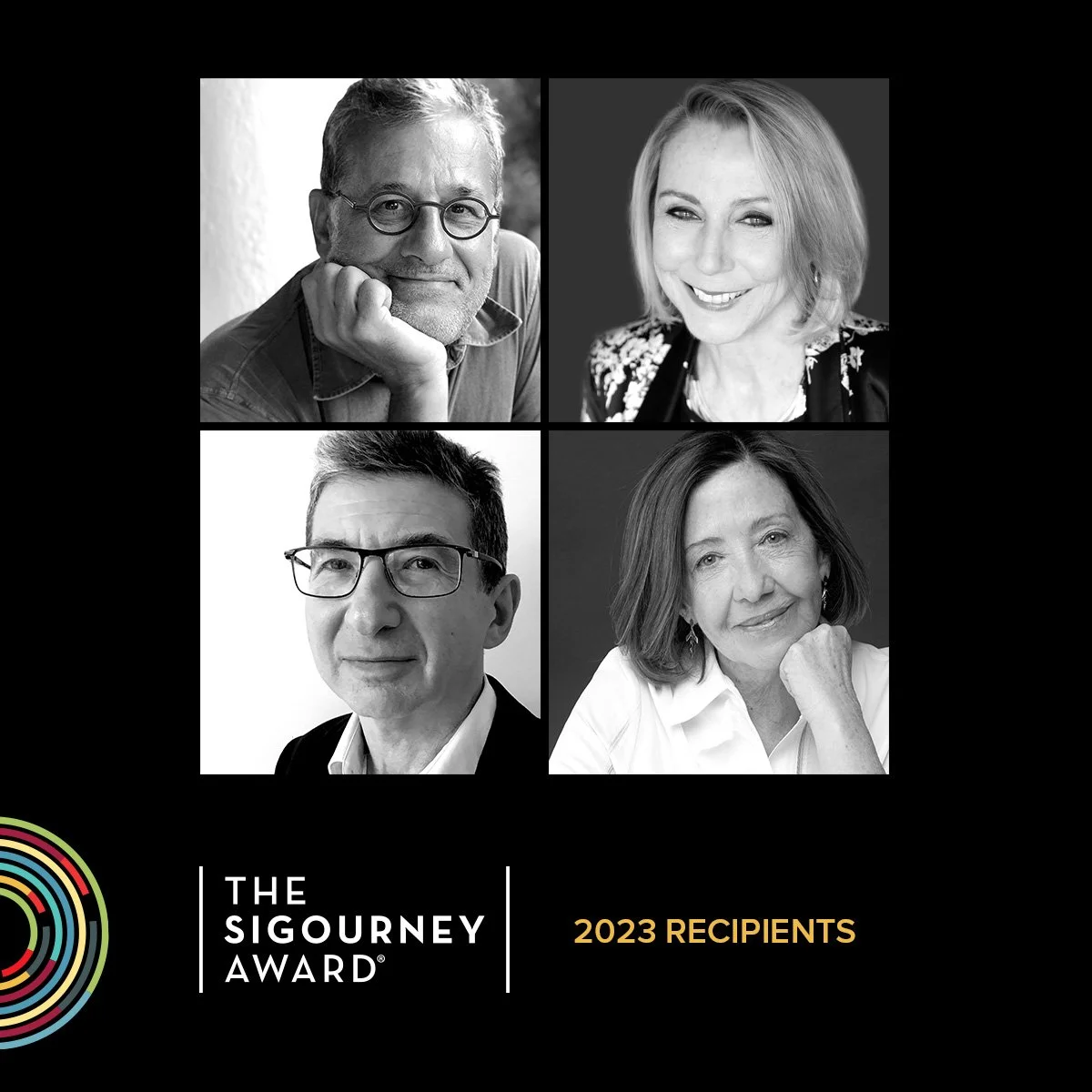
The Sigourney Award-2023 Recipients Are Announced!
Distinguished judges evaluated submissions from an exceptional pool of global applicants and four recipients’ work merited the prestigious award. Please join us in congratulating (in alphabetical order) The Sigourney Award-2023 recipients: Vittorio Lingiardi, MD (Rome, Italy); Rosine Perelberg, PhD (London, England); Daniel Pick, PhD (London, England); and Virginia Ungar, MD (Buenos Aires, Argentina).
Robin Deutsch, PhD, Analyst Co-Trustee, The Sigourney Award Trust and Barbara Sherland, JD, Attorney Co-Trustee applaud the groundbreaking work achieved by the recipients and offer thanks to all who shared their own incredible work for consideration.
The Sigourney Award-2023 Honors Four Recipients for Outstanding Work Advancing Psychoanalytic Principles Globally
Distinguished Panel of Judges Select Extraordinary Psychoanalytic Work By Individuals From Argentina, Italy, and the United Kingdom
SEATTLE, WA – Nov. 2, 2023 -- The Sigourney Award Trust annually rewards achievements that advance psychoanalytic thought and principles worldwide with international recognition and a substantial cash prize. This year, distinguished judges evaluated exceptional submissions and selected four whose work, during the past ten years, merits winning The Sigourney Award-2023. Robin A. Deutsch, PhD and Analyst Co-Trustee of The Sigourney Award Trust, announces the recipients, including: Vittorio Lingiardi, MD (Rome, Italy); Rosine Perelberg, PhD (London, England); Daniel Pick, PhD (London, England); and Virginia Ungar, MD (Buenos Aires, Argentina).
Mary Sigourney founded The Sigourney Award Trust in 1989 to recognize and promote exceptional work that advances psychoanalytic principles and their ability to better humankind. The 2023 recipients’ achievements are infused with uncommon interdisciplinary approaches and distinct psychoanalytic perspectives seeking to mitigate human suffering based on sexual and gender identity, race, or religion, and oppression by authoritarian regimes.
"Each of the recipients’ work has helped elevate the awareness and beneficial impact of psychoanalysis and psychoanalytic thinking globally, supporting Mary Sigourney's intended vision,” says Dr. Deutsch. "Our international assembly of judges, each respected for their professional contributions, identified the work that most closely fulfills Ms. Sigourney's directives and offers new pathways to positively impact humanity through psychoanalysis.”
Work Meriting The Sigourney Award-2023 (In alphabetical order)
Vittorio Lingiardi, MD (Rome, Italy)
Professor Vittorio Lingiardi’s pioneering work in psychodynamic diagnosis and LGBTQ+ issues demonstrates an ability to bridge the gap between the richness and complexity of psychoanalytical clinical practice and the need for empirical soundness; all the while finding novel ways to extend psychoanalysis’ reach and effect. On these topics he has been able to reach key audiences through books, articles, editorials, TV programs, and social networks. A psychiatrist, psychoanalyst, and full professor at Sapienza University of Rome, Lingiardi splits his clinical practice focus on working with patients from marginalized groups and serving people with personality and interpersonal problems. His research in the LGBTQ+ field has helped change a "classical" and often pathologizing psychoanalytic viewpoint. He helped formulate and publish the Italian guidelines, endorsed by the National Board of Italian Psychologists, for psychotherapy and counseling with LGBTQ+ patients and has often spoken publicly in defense of minoritized groups and families’ civil rights to increase social acceptance.
Additionally, Lingiardi’s work focused on “resuscitating” the word diagnosis in psychoanalytic culture and clinical practice. He and Nancy Williams co-edited the second edition of the Psychodynamic Diagnostic Manual (PDM-2). Their revisions embedded an empirically based psychoanalytic approach to diagnosis and placed personality and its traits in a broader psychoanalytic diagnostic framework. Closely interconnected with the patient's mental functioning and symptomatology, grounded in research, and systematized in the PDM-2, the Manual now reaches an international audience in multiple languages.
Rosine Perelberg, PhD (London, England)
Professor Rosine Perelberg’s open-minded work coalesces psychoanalytic thought and social anthropology expertise to offer a forward-looking framework for the understanding of temporality, sexuality, and antisemitism. Offering an innovative interpretation of paternal and maternal functions, in both clinical practice and social phenomena, as well as a psychoanalytic understanding of the Shoah (Holocaust) her work emphasizes the relevance of psychoanalytic insights in navigating contemporary societal challenges. Perelberg’s integration of British clinical traditions with French, American and Latin American conceptual psychoanalysis has profoundly influenced international psychoanalysis’ ability to acknowledge and learn from the varying application.
A practicing psychoanalyst and visiting professor at the University College London, Perelberg’s clinical work is innovative, poetic and rigorous. An acclaimed author, Perelberg’s work is informed by her anthropological training with topics focused on phantasies of origin, exploring the infantile‘s unconscious drives related to the symbolic functions of the maternal and paternal. The distinction between the murdered father and the dead father plays a crucial role in enhancing understanding of pressing social and political issues. In Sexuality, Excess and Representation she offers a ground-breaking psychoanalytic framework for the understanding of bisexuality and sexual difference. Under her leadership as president of the British Psychoanalytical Society (2019-2022), her international influence helped guide protocols for virtual teaching and practice of psychoanalytic work virtually through the pandemic. Her seven-minute film, The Empty Couch, created at the onset of the pandemic had great social impact as it amassed nearly 5,000 views.
Daniel Pick, PhD (London, England)
Professor Daniel Pick’s engaging and interdisciplinary work has investigated how psychoanalytic thought has been mobilized to face some of the most dire political challenges of modern times. Drawing on clinical experience and humanities studies expertise, his projects have mapped the extent and impact of clinical involvement in wartime intelligence, debates on denazification and the Cold War, and the consolidation of post-war liberal democracy. Over the last decade, his work as an historian and a psychoanalyst generated new information and discussion about unconscious processes inside the mind, and at work between people. Moreover, it has illuminated how demagogues and other mind manipulators harness the passions of crowds (on the street and online).
In an era of political catastrophes, his research has helped underscore how psychoanalysis is shaped by history and can deepen interpretations of historical processes. Ranging across debates on fascism, brainwashing, totalitarianism, populism, groupthink, conspiracy theory, online radicalization, and advertising, Pick’s findings are communicated through non-traditional pathways integrating film, books, radio documentaries, podcasts, and more. His work delves into unfamiliar sources and considers afresh the historical consequences of Freud’s “revolution in mind.” Through his books Brainwashed: A New History of Thought Control (2022) and The Pursuit of the Nazi Mind: Hitler, Hess, and the Analysts (2012), he shows how psychoanalysis and the serious study of history can engage with each other. Pick’s work is part of a wider endeavor by historians exploring, explaining, applying, and/or historically contextualizing psychoanalysis.
Virginia Ungar, MD (Buenos Aires, Argentina)
Dr. Virginia Ungar’s leading-edge work in “the feminine,” and in child, adolescent, and adult analysis, coupled with her leadership achievements in transforming current and future psychoanalytic training have significantly impacted the future of psychoanalysis. Her psychoanalytic approach established a radical new model of incorporating child and adolescent psychoanalytic training as part of an analysts' clinical curriculum. The additional training has contributed to primary prevention in childhood. Ungar has also carved out a contemporary interdisciplinary approach to “the feminine,” not limited to a female body but found in women, men, children, adults, and works of art. Her work unites gender theories born in anthropology and sociology and provides cultural context for where psychoanalytic processes take place. Ungar’s professional path led to her becoming the first woman president of the International Psychoanalytic Association (IPA).
To broaden psychoanalysis’ scope and fully develop its potential around the world, in 2018 Ungar crafted the program, IPA in the Community. Partnering with psychoanalytic societies, international organizations, and humanitarian groups, the program supported broad demand and participation in the community. The initiative increased the visibility of psychoanalysis and engaged young professionals by working directly with teachers, professors, lawyers, social workers, doctors, and nurses to connect to the most vulnerable populations around the globe (women, children, migrants and refugees). Faced with the unprecedented challenges posed by a global pandemic, Ungar’s work helped hold the psychoanalytic and mental health communities together through online activities, including the acceptance of remote training during that period.
"The Sigourney Award’s tenets have not changed. With Mary Sigourney’s direction and a wholly independent perspective, we annually reward exemplary work completed in the recent 10 years by a group, organization or individual. We hope future applicants and nominees are inspired by our recipients’ accomplishments and continue to pursue their own original approaches to positively impact the value and reach of psychoanalytic principles," says Barbara Sherland, JD, Attorney Co-Trustee of The Sigourney Award Trust.
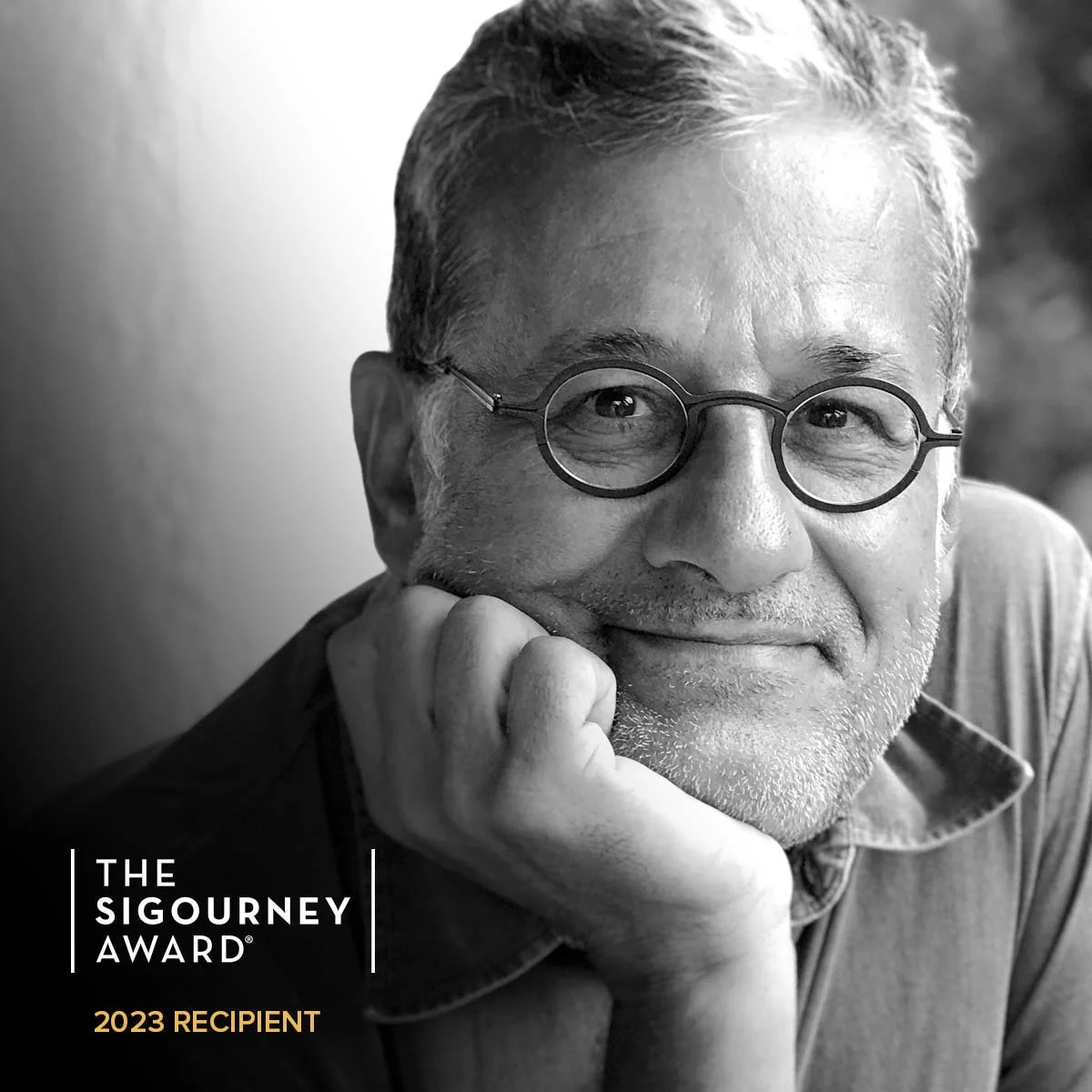
Vittorio Lingiardi’s Work Wins The Sigourney Award - 2023
Dr. Vittorio Lingiardi’s pioneering work in psychodynamic diagnosis and LGBTQ+ issues demonstrates an ability to bridge the gap between the richness and complexity of psychoanalytical clinical practice and the need for empirical soundness; all the while finding novel ways to extend psychoanalysis’ reach.
Dr. Vittorio Lingiardi’s Work Supporting Complex Psychodynamic Diagnoses
With Empirical Soundness Earns The Sigourney Award-2023
Seattle, WA — Nov. 2, 2023 – The Sigourney Award-2023 bestows international recognition and a substantial cash prize for outstanding work that advances psychoanalytic thought worldwide. Annually, a prestigious panel of judges carefully reviews applicants from across the globe and today, Robin A. Deutsch, PhD and Analyst Co-Trustee of The Sigourney Award Trust, announces Vittorio Lingiardi, MD, Rome, Italy, as one of four international recipients presented this year’s prestigious prize.
“Professor Lingiardi’s extensive scholarly work and public engagement elevates the standing of psychoanalysis and psychoanalytic thinking in his home country as well as abroad, embodying Mary Sigourney’s defined commitment to disseminating psychoanalysis’ benefits in and outside of the confines of the consulting room,” said Deutsch.
Professor Vittorio Lingiardi’s pioneering work in both psychodynamic diagnosis and LGBTQ+ issues demonstrates an ability to bridge the gap between the richness and complexity of psychoanalytical clinical practice and the need for empirical soundness; all the while finding novel ways to extend psychoanalysis’ reach and effect. On these topics he has been able to reach key audiences through books, articles, editorials, TV programs, and social networks. A psychiatrist, psychoanalyst, and full professor at Sapienza University of Rome, Lingiardi splits his clinical practice focus on working with patients from marginalized groups and serving people with personality and interpersonal problems. His research in the LGBTQ+ field has helped change a "classical" and often pathologizing psychoanalytic viewpoint. He helped formulate and publish the Italian guidelines, endorsed by the National Board of Italian Psychologists, for psychotherapy and counseling with LGBTQ+ patients and has often spoken publicly in defense of minoritized groups and families’ civil rights to increase social acceptance.
Additionally, Lingiardi’s work focused on “resuscitating” the word diagnosis in psychoanalytic culture and clinical practice. He and Nancy Williams co-edited the second edition of the Psychodynamic Diagnostic Manual (PDM-2). Their revisions embedded an empirically based psychoanalytic approach to diagnosis and placed personality and its traits in a broader psychoanalytic diagnostic framework. Closely interconnected with the patient's mental functioning and symptomatology, grounded in research, and systematized in the PDM-2, the Manual now reaches an international audience in multiple languages.
During the past decade, Lingiardi’s research concentrated on three key elements: 1) enhancement of psychodynamic diagnosis, therapeutic alliance, and case formulation emphasizing the importance of patients for “who they are” not “what they have;” 2) depathologization of non-heterosexual and non-cis-normative conditions; and 3) dissemination of psychoanalytic constructs and culture to a wide audience including non-specialists, with a focus on public interventions concerning psychoanalysis and social culture, mental health, public health strategies, and the rights of sexual minorities. His work tries to free the diagnostic formulation from a simple labeling process in order to develop the concept of case formulation, as each patient is at once unique but also referable to a clinical category.
His work has reached key audiences through articles, editorials, TV programs, widely published books, and social networks. Lingiardi’s weekly column, “Psycho” for the magazine il Venerdì di Repubblica, features reviews of film’s impact as it pertains to the psychological subjectivity of the viewer. His essays – for example, “Diagnosis and Destiny” (2018) and “Archipelago N. Variations on Narcissisms” (2021) – have a poetic style. Lingiardi is also a poet, with two published books of poetry, titled My Confusion is Precise in Love (2012) and Alterations of Rhythm (2015). His psychological literary essay Mindscapes (2017) won the Viareggio-Giuria Award, a major Italian literary prize.
“They say psychoanalysis is dying but one of the most exciting things about this discipline is that she can psychoanalyze herself and learn from her own errors. She is always evolving so it's impossible to switch off the energy of psychoanalysis,” Lingiardi says, adding, “Winning The Sigourney Award is one of the happiest moments in my career, and I want to acknowledge the commitment and support of my colleagues and collaborators.”
Lingiardi’s award-winning work is added to a long list of innovative contributions advancing psychoanalytic thought that, since 1990, have been honored with The Sigourney Award. This year, he shares this honor with Rosine Perelberg, PhD (London, England); Daniel Pick, PhD (London, England); and Virginia Ungar, MD (Buenos Aires, Argentina), whose work also met the demanding Award criteria.
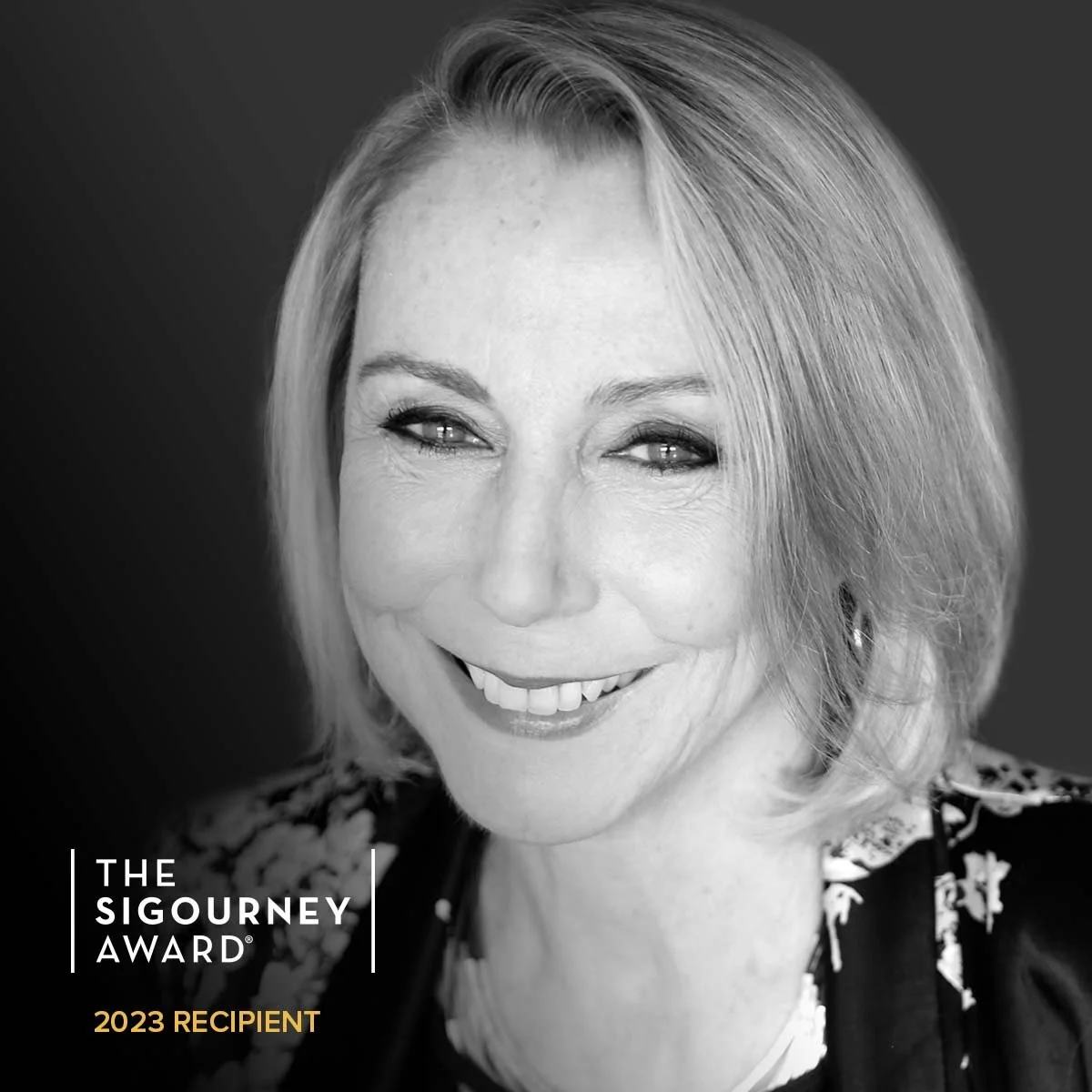
Rosine Perelberg’s Work Wins The Sigourney Award - 2023
Professor Rosine Perelberg’s open-minded work coalesces psychoanalytic thought and social anthropology expertise to offer a forward-looking framework for the understanding of temporality, sexuality, and antisemitism.
Professor Rosine Perelberg Wins The Sigourney Award-2023 For Work Establishing a Creative Dialogue Between Psychoanalysis And Social Anthropology To Address Temporality, Sexuality and Antisemitism
Seattle, WA — Nov. 2, 2023 – Annually, The Sigourney Award bestows international recognition and a substantial cash prize for outstanding work completed within the past 10 years that advances psychoanalytic thought worldwide. A prestigious panel of judges carefully reviewed applicants from across the globe and today, Robin A. Deutsch, PhD and Analyst Co-Trustee of The Sigourney Award Trust, announces Rosine Perelberg, PhD, from London, England, as one of four international recipients presented the prestigious prize.
“Professor Perelberg’s interdisciplinary work incorporating social anthropology and principles of psychoanalytic thinking to positively influence the lives of countless people around the world reflects Mary Sigourney’s commitment to raising the visibility of psychoanalysis and its benefits for society,” said Deutsch.
Professor Rosine Perelberg’s open-minded work coalesces psychoanalytic and social anthropology expertise to create a forward-looking framework for the understanding of temporality, sexuality, and antisemitism. Offering an innovative interpretation of paternal and maternal functions, in both clinical practice and social phenomena, as well as a psychoanalytic understanding of the Shoah (Holocaust), her work emphasizes the relevance of psychoanalytic insights in navigating contemporary societal challenges. A practicing psychoanalyst and visiting professor at the University College London, Perelberg’s clinical work is rigorous, innovative, and poetic. Perelberg’s integration of British clinical traditions with French, American and Latin American conceptual psychoanalysis has profoundly influenced international psychoanalysis’ ability to acknowledge and learn from the various applications.
An acclaimed author, Perelberg’s work integrates her anthropological training with topics focused on phantasies of origin, exploring the infantile unconscious drives related to the symbolic functions of the maternal and paternal. The distinction between the murdered father and the dead father plays a crucial role in enhancing understanding of pressing social and political issues. In Sexuality, Excess and Representation she offers a ground-breaking psychoanalytic framework for the understanding of bisexuality and sexual difference. Under her leadership as president of the British Psychoanalytical Society (2019-2022), her international influence helped guide through the pandemic the protocols to continue the teaching and practice of psychoanalytic work virtually. Her seven-minute film, The Empty Couch, created at the onset of the pandemic had great social impact as it amassed nearly 5,000 views.
In the last 10 years, Perelberg has published five books which have been translated into seven languages, among them, Psychic Bisexuality: A British-French Dialogue, which brought a fresh and nuanced notion of bisexuality to mainstream psychoanalysis and to universities. The book earned the Best Edited Book Prize for 2019 by the American Board and Academy of Psychoanalysis.
Perelberg completed her master's degree in social anthropology at the Universidade Federal do Rio de Janeiro, before receiving her PhD in Social Anthropology from the London School of Economics, University of London.
“I was astonished to learn I’d won The Sigourney Award. It feels like an award one aspires to win; it is the most important professional achievement I’ve earned to date – a huge honor,” says Perelberg.
Her award-winning work is added to a long list of innovative contributions advancing psychoanalytic thought that, since 1990, have been honored with The Sigourney Award. This year, she shares this honor with Vittorio Lingiardi, MD (Rome, Italy); Daniel Pick, PhD (London, England); and Virginia Ungar, MD (Buenos Aires, Argentina), whose work also met the demanding Award criteria.
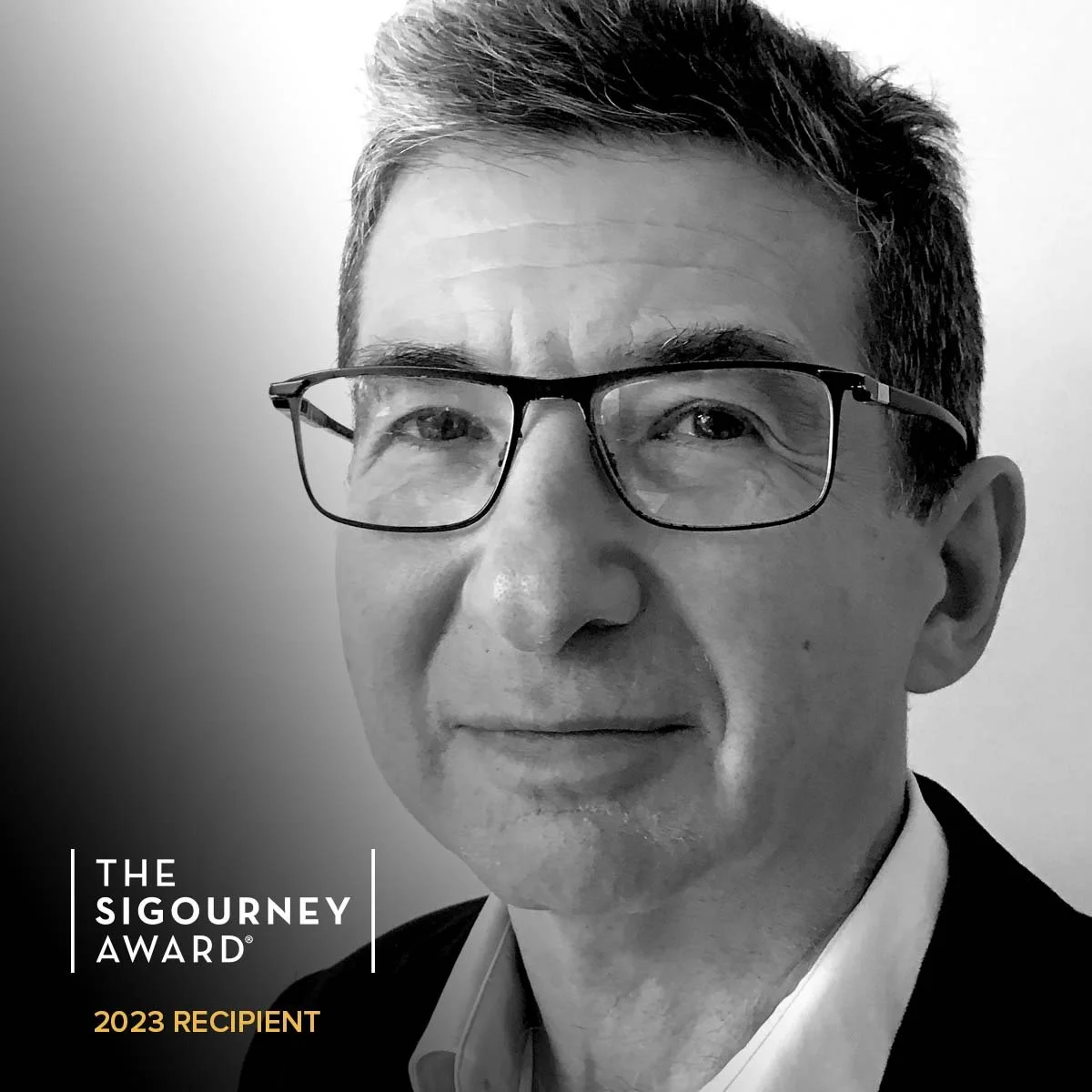
Daniel Pick’s Work Wins The Sigourney Award - 2023
Professor Daniel Pick’s engaging and interdisciplinary work has investigated how psychoanalytic thought has been mobilized to face some of the most dire political challenges of modern times.
Professor Daniel Pick Earns The Sigourney Award-2023 For Work Exploring How Psychoanalytical Thought Can Be Mobilized To Face Modern Political Challenges
Seattle, WA — Nov. 2, 2023 – The Sigourney Award is bestowed annually for outstanding work that advances psychoanalytic thought worldwide, honoring recipients with international recognition and a substantial cash prize. A prestigious panel of judges carefully reviewed applicants from across the globe and today, Robin A. Deutsch, PhD and Analyst Co-Trustee of The Sigourney Award Trust, announces that Daniel Pick, PhD, London, England is among the four recipients whose work earns The Sigourney Award-2023.
“Professor Pick’s interdisciplinary work skillfully intertwines history, humanities, and clinical psychoanalytic practice to shape new conversations that can benefit greater society. This fully supports Mary Sigourney’s mission to reward work that promotes the advantages of psychoanalysis and psychoanalytic thinking to improve the world around us,” said Deutsch.
Professor Daniel Pick’s engaging and interdisciplinary work has investigated how psychoanalytic thought has been mobilized to face some of the most dire political challenges of modern times. Drawing on clinical experience and humanities studies expertise, his projects have mapped the extent and impact of clinical involvement in wartime intelligence, debates on denazification and the Cold War, and the consolidation of post-war liberal democracy. Over the last decade, his work as an historian and a psychoanalyst generated new information and discussion about unconscious processes inside the mind, and at work between people. Moreover, it has illuminated how demagogues and other mind manipulators harness the passions of crowds (on the street and online).
In an era of political catastrophes, his research has helped underscore how psychoanalysis is shaped by history and can deepen interpretations of historical processes. Ranging across debates on fascism, brainwashing, totalitarianism, populism, groupthink, conspiracy theory, online radicalization, and advertising, Pick’s findings are communicated through non-traditional pathways encompassing film, books, radio documentaries, podcasts, and more. His work delves into unfamiliar sources and considers afresh the historical consequences of Freud’s “revolution in mind.”
His books explore ways that patients may at times feel themselves to be faced by a draconian superego authority or seek to exert powerful control over the mind of the analyst; and yet, his writings also show how profound psychic change can come about in the process. In Brainwashed: A New History of Thought Control (2022) and The Pursuit of the Nazi Mind: Hitler, Hess, and the Analysts (2012), he shows how a serious study of history can engage with psychoanalysis. Pick’s work is part of a wider endeavor by historians exploring, explaining, applying, and/or historically contextualizing psychoanalysis.
Recognized as a leader integrating history and psychoanalysis, Pick has received a senior investigator award from the Wellcome Trust for a team-based project between 2014 and 2021 on the history of brainwashing. In collaboration with others, he was also granted a public engagement award under the auspices of Birkbeck College, University of London. These grants totaling over one million pounds enabled Pick to conduct sustained research, collaborate with others, and facilitate doctoral students, post-docs, associated scholars, clinicians, documentary filmmakers, and others to inquire into and debate “hidden influence” in culture, commerce, and politics.
His projects help illuminate the value of Freudian thought for understanding group psychology in conditions of tyranny as well as liberty, and the risks of “wild analysis,” political misapplications, and commercial exploitations.
“I’ve always been interested in the applications of Freudian thought and historizing psychoanalysis. I have contemplated how ‘the talking cure’ was grounded in a particular history and have suggested how it can speak to contemporary dark times. Psychoanalysis is a resource not only for therapy and theorizing the mind but can also consider the passions unleashed in mass conflict, war, and other forms of human destructiveness. When looking at conflicts, in minds, or in societies psychoanalysis does not hold all the answers. However, it invites us to ask crucial questions about the role of unconscious processes, defenses, and phantasy and remains as relevant today as in Freud’s time,” says Pick.
Pick’s award-winning work is added to a long list of innovative contributions advancing psychoanalytic thought that, since 1990, have been honored with The Sigourney Award. This year, he shares this honor with Vittorio Lingiardi, MD (Rome, Italy); Rosine Perelberg, PhD (London, England); and Virginia Ungar, MD (Buenos Aires, Argentina), whose work also met the demanding Award criteria.
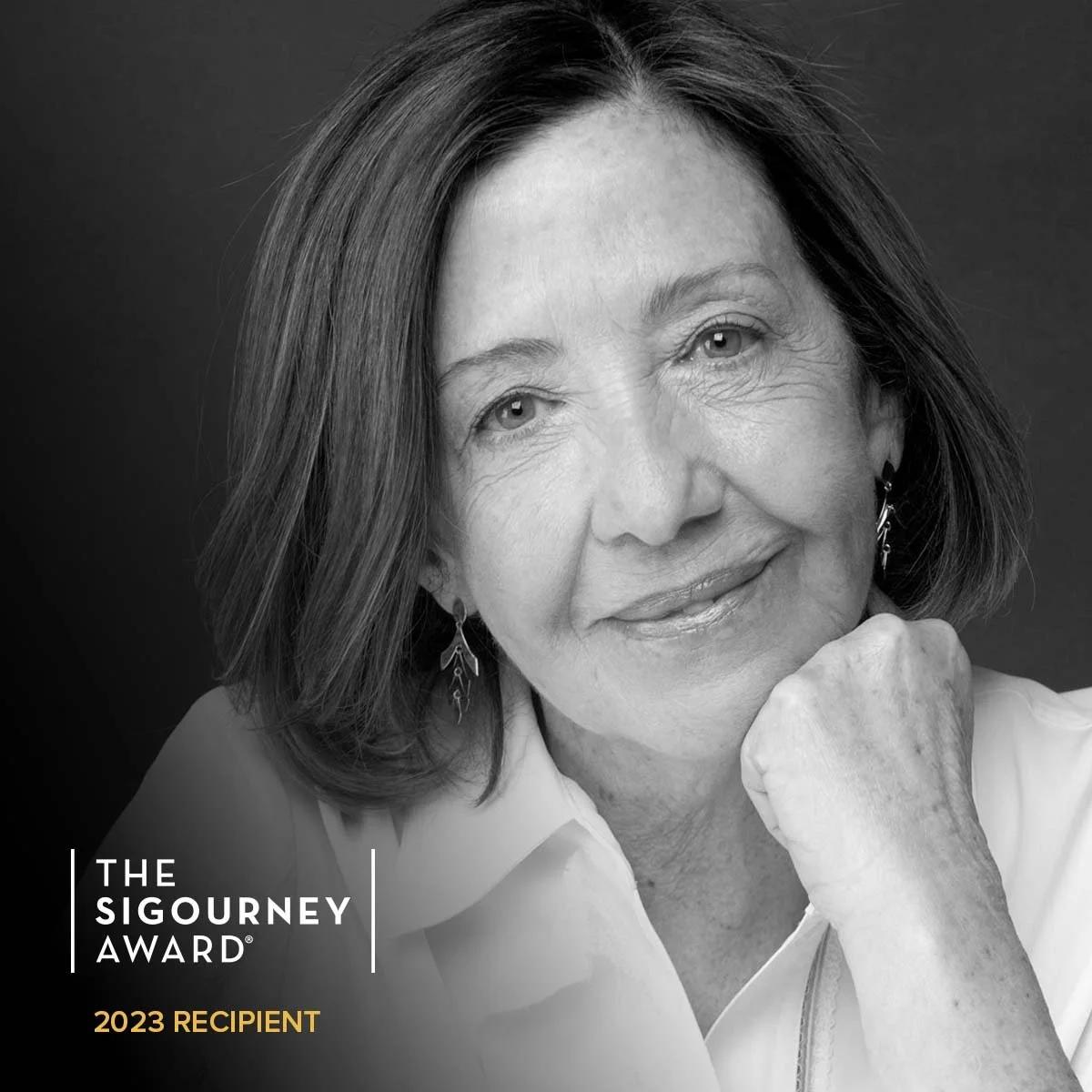
Virginia Ungar’s Work Wins The Sigourney Award - 2023
Dr. Virginia Ungar’s leading-edge work in “the feminine,” and in child, adolescent, and adult analysis, coupled with her leadership achievements in transforming current and future psychoanalytic training have significantly impacted the future of psychoanalysis.
Dr. Virginia Ungar Receives The Sigourney Award-2023 For Work Establishing New Psychoanalytic Training Models Incorporating Child and Adolescent Analysis
Seattle, WA — Nov. 2, 2023 – The Sigourney Award is bestowed annually as an independent prize recognizing outstanding work that advances psychoanalytic thought worldwide. An esteemed panel of anonymous judges evaluated applications from across the globe and today, Robin A. Deutsch, PhD and Analyst Co-Trustee of The Sigourney Award Trust, announces work by Virginia Ungar, MD, Buenos Aires, Argentina, has earned The Sigourney Award-2023 and the international recognition and substantial cash prize that complements the honor.
“Dr. Ungar’s work established new approaches that eased clinical training in child and adolescent psychoanalysis with lasting significance for future psychoanalysts, while her leadership in creating a psychoanalytic communication network to reach those most in need meets Mary Sigourney’s vision for the continued growth and positive impact psychoanalytic thought and principles can offer humanity,” says Deutsch.
Dr. Ungar’s leading-edge work in “the feminine,” and in child, adolescent, and adult analysis, coupled with her leadership achievements in transforming current and future psychoanalytic training have significantly impacted the future of psychoanalysis. Her psychoanalytic approach established a radical new model of incorporating child and adolescent psychoanalytic training as part of an analysts' clinical curriculum. The additional training has contributed to primary prevention in childhood. Ungar has also carved out a contemporary interdisciplinary approach to “the feminine,” not limited to a female body but found in women, men, children, adults, and works of art. Her work unites gender theories born in anthropology and sociology and provides cultural context for where psychoanalytic processes take place. Ungar’s professional path led to her becoming the first woman president of the International Psychoanalytic Association (IPA).
To broaden psychoanalysis’ scope and fully develop its potential around the world, in 2018 Ungar crafted the program IPA in the Community. Partnering with psychoanalytic societies, international organizations, and humanitarian groups, the program supported broad demand and participation in the community. The initiative increased the visibility of psychoanalysis and engaged young professionals by working directly with teachers, professors, lawyers, social workers, doctors, and nurses to connect to the most vulnerable populations around the globe (women, children, migrants and refugees). Within these programs, Ungar emphasized how beyond the traditional practice of psychoanalysis, healthcare and other professional disciplines can leverage psychoanalytic principles to impact the challenges communities face.
To reach a wide audience IPA in the Community shared information through new media such as webinars, online resources, blogs, and a series of podcasts organized by Dr. Harvey Schwartz, counting 137 episodes and over 10,000 listens a month. Faced with the unprecedented challenges posed by a global pandemic, Ungar’s work helped hold the psychoanalytic and mental health communities together through online activities, including the acceptance of remote training during that period. Ultimately the achievements of impactful work done by analysts around the world within IPA in the Community was recognized through awards for over 20 projects.
Currently on the faculty at The University Institute of Mental Health of the Buenos Aires Psychoanalytic Association, Argentina, Ungar published chapters of books that showcase her method of conceiving new ideas for clinical practice of psychoanalysis, therapy for children and adolescents, women and the feminine and the need for psychoanalysts to evolve by applying lessons learned from other disciplines.
“I feel honored to earn The Sigourney Award because I believe it’s the most important prize in psychoanalysis. In an unquiet world as the one we live in, the presence of psychoanalysis in the community is necessary. This brings about a process of mutual enrichment which is crucial for the growth and expansion of psychoanalysis,” says Ungar.
Ungar’s award-winning work is added to a long list of innovative contributions advancing psychoanalytic thought that, since 1990, have been honored with The Sigourney Award. This year, she shares this honor with Vittorio Lingiardi, MD (Rome, Italy); Rosine Perelberg, PhD (London, England); and Daniel Pick, PhD (London, England), whose work also met the demanding Award criteria.